Building Inclusive Faith Communities

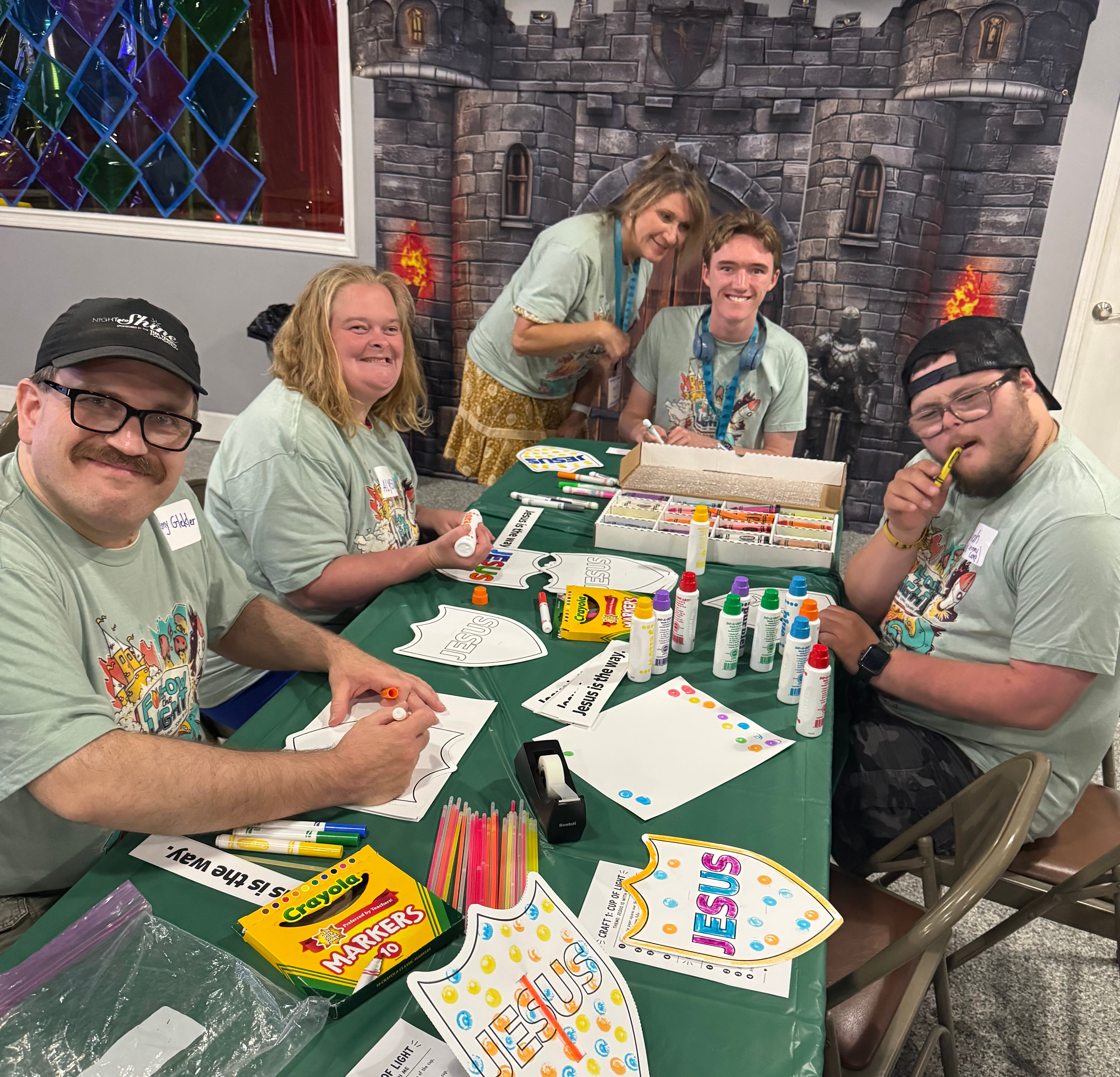
All people want the same basic things: friendship, purpose, and a place where they are known. For individuals with disabilities and their families, finding those things within a church community can sometimes be difficult.
Churches may genuinely want to be welcoming while still unintentionally creating barriers. Inclusion isn’t simply about whether someone *can* attend. It’s about whether they feel that they belong. What would our faith communities look like if people with disabilities were truly seen as valuable members of the body of Christ?
Families affected by disability are among the most unreached populations in our communities, and churches have an incredible opportunity to change that. Most churches would never consider themselves exclusionary. But think about what it takes for any family to “try” a new church. You are walking into an unfamiliar building, meeting unfamiliar people, and navigating unknown routines and unwritten rules. For a family navigating disability, those unknowns can become significant barriers to attendance.
One simple way to help is to offer a friendly face at the door and communicate what to expect. It might be as simple as saying, “Welcome to church! Service begins with a time of greeting your neighbor, followed by music from our worship band. If the noise is too loud, we have headphones available in the back.” Or, “Here is our printed order of service. Everything will also be on the screen.” Even, “We have wheelchair seating throughout the sanctuary. Let me help you find a comfortable spot.”
These may seem like small things, but accommodations can be that simple. They can mean the difference between a family never making it past the church foyer and a family eventually calling your church home.
Access is the first step toward belonging. The next step is finding meaningful ways for everyone to participate. When churches seek volunteers, it can be easy to overlook people with disabilities as potential contributors. But belonging means more than receiving ministry; it means having opportunities to contribute to the community.
Think creatively. Everyone has something to offer. Does your church create a weekly bulletin? Someone with an eye for detail may be a perfect fit. Need help welcoming families or assisting in the nursery? The teenager who eagerly helps parents with their strollers every Sunday may be ready for an opportunity to serve. Does the coffee cart need a refill? There are countless ways for people with disabilities to participate. The question isn’t, “Can they serve?” but, “What are their gifts, and how can we create opportunities for them to use those gifts?”
Once a church begins to see its members with disabilities as valued contributors, it’s time to take it a step further: leadership. Creating a community of belonging means recognizing that disability does not disqualify someone from teaching, serving, or leading.
There are people with disabilities who are gifted teachers, worship leaders, advocates, pastors, encouragers, and servants. Their experiences may give them unique insight into hardship, perseverance, compassion, and faith. When we make room for their voices and leadership, the entire church becomes stronger.
And once-a-week participation on Sunday morning isn’t enough to create a community of disciples. That’s ultimately what Beyond Sunday Fellowship is all about.
We seek to extend the good work being done on Sundays by churches across Northwest Florida through faith, friendship, and belonging. Through partnerships with churches and community organizations, Beyond Sunday Fellowship creates inclusive programs and events throughout the week where individuals with disabilities and their caregivers can build genuine relationships, experience practical support, and participate in community life.
Our vision is simple: Jesus-focused communities across Northwest Florida where individuals with disabilities and their caregivers belong, are celebrated, and thrive.
Because inclusion isn’t simply about making room.
It’s about making sure everyone knows they have a place.

Comments